Why Rockland Homeowners Choose Acrylic Shower Walls for Easier Maintenance


Bathrooms naturally deal with moisture, humidity, and limited airflow, which can make showers especially difficult to keep clean. In Rockland and other coastal Maine communities, older bathrooms may also have aging grout, worn caulk, or ventilation that no longer keeps up with everyday use.
When tile and grout repeatedly develop staining or mildew, homeowners often assume they simply need stronger cleaners or more frequent scrubbing. In many cases, the materials themselves are part of the problem. Replacing an older tiled shower with smooth acrylic walls can reduce maintenance and create a cleaner, brighter bathing area.
Why Tile and Grout Can Become Difficult to Clean
Tile is a popular shower material, but the grout between individual tiles requires ongoing care. Grout is more porous than the tile around it, which means it can absorb moisture, soap residue, and mineral deposits over time.
As grout and caulk age, homeowners may notice:
- Dark or uneven staining
- Cracks between tiles
- Deteriorating caulk around corners and fixtures
- Mildew that returns soon after cleaning
- Loose or damaged sections
- Areas that remain discolored despite repeated scrubbing
Cleaning can improve the appearance, but it won’t repair cracked grout, failed seals, or moisture problems behind the surface. If staining returns quickly or the shower shows signs of damage, it may be time to evaluate the bathing area rather than continuing to rely on stronger cleaning products.
How Acrylic Shower Walls Reduce Maintenance
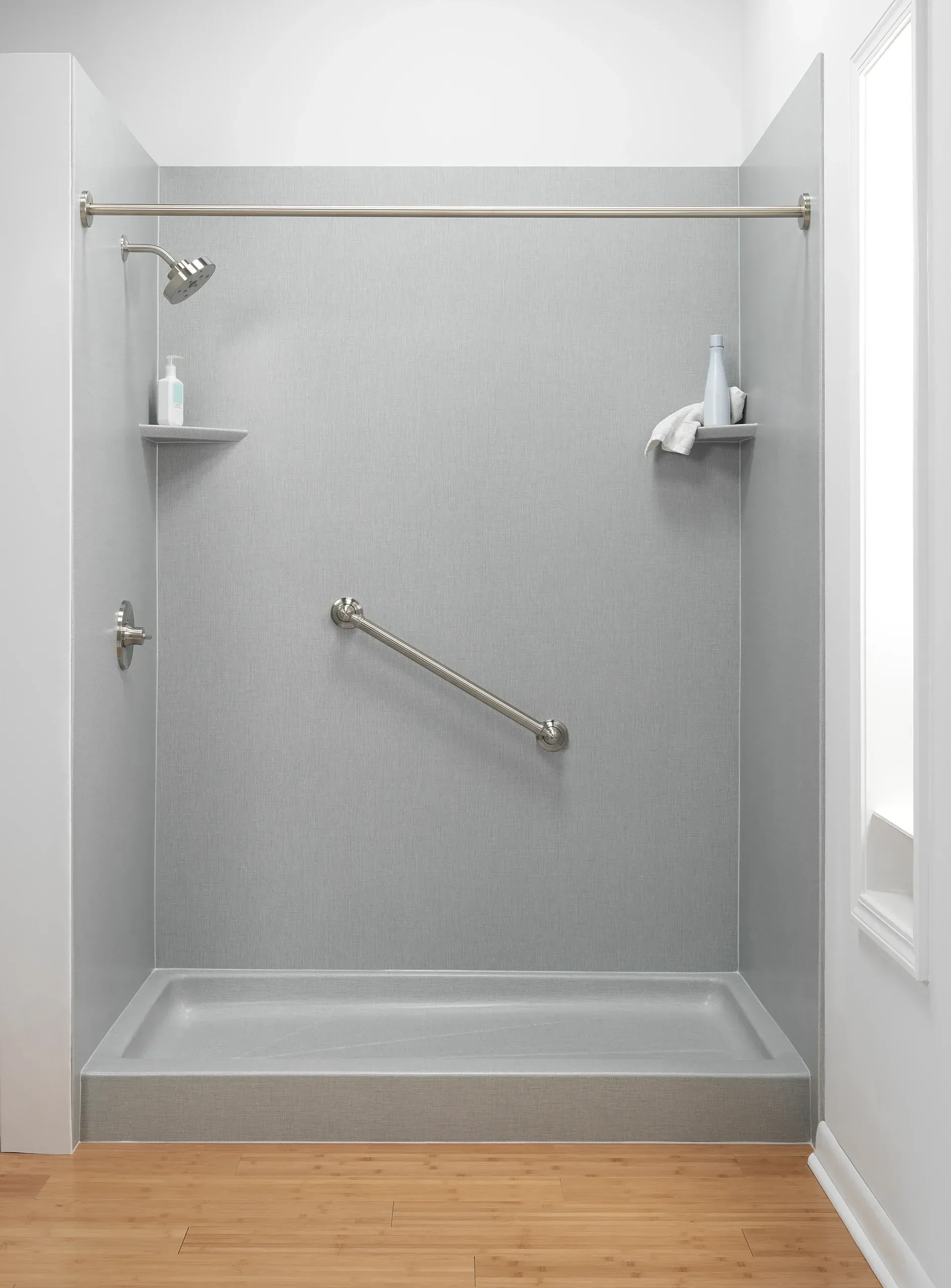
Acrylic shower systems use larger wall panels instead of many individual tiles. This creates a smoother surface with fewer seams and eliminates the traditional grout lines that often require the most attention.
Because the walls are nonporous, water and soap residue remain on the surface rather than soaking into grout. Regular care typically involves wiping the walls with a soft cloth or using a cleaner approved for the material.
Acrylic shower walls can help reduce maintenance by providing:
- Smooth surfaces that are easier to wipe down
- Fewer seams and difficult-to-clean corners
- No traditional grout lines between individual tiles
- Built-in storage that reduces shower clutter
- Materials designed for regular exposure to water
- A finished appearance that doesn’t require frequent resealing
The bathroom will still need routine cleaning and ventilation, but homeowners can spend less time scrubbing narrow grout lines with brushes and harsh products.
Acrylic Doesn’t Have to Look Plain
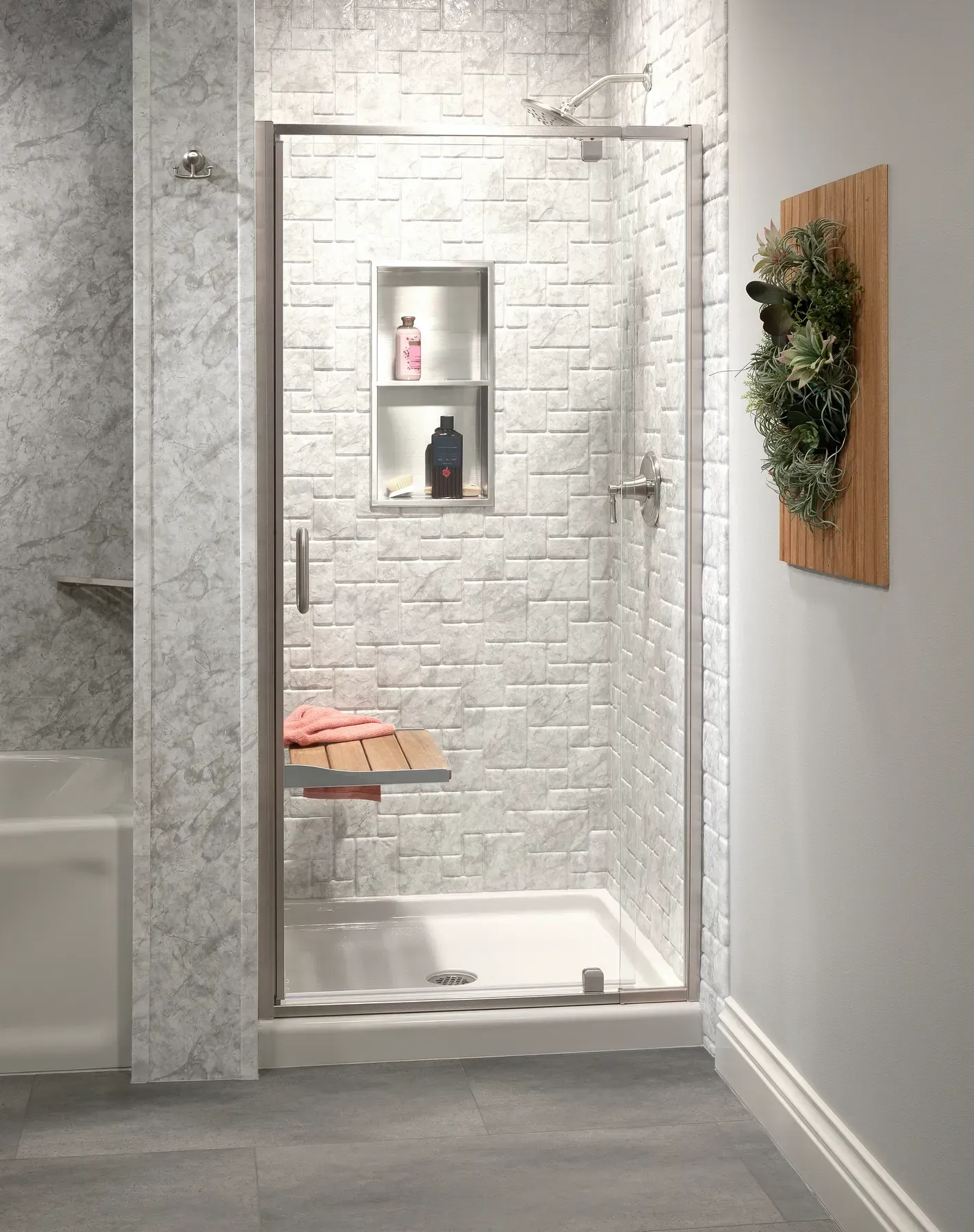
Some homeowners picture acrylic as a basic white plastic wall, but today’s shower systems are available in a wider range of colors, patterns, and textures.
Available styles may resemble:
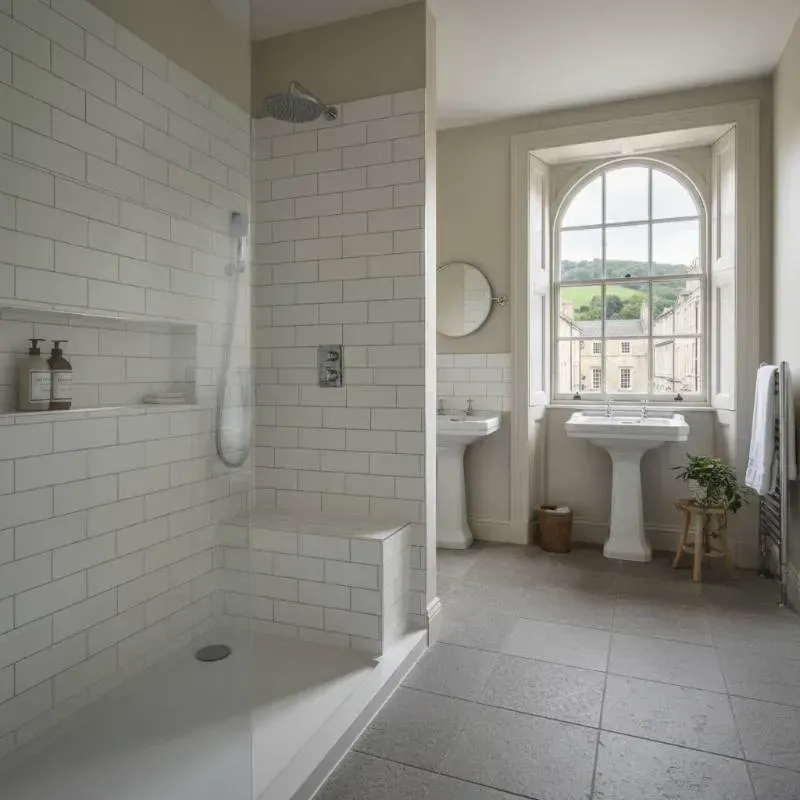
- Subway tile
- Marble
- Natural stone
- Large-format tile
- Simple solid-color panels
- Contemporary geometric patterns
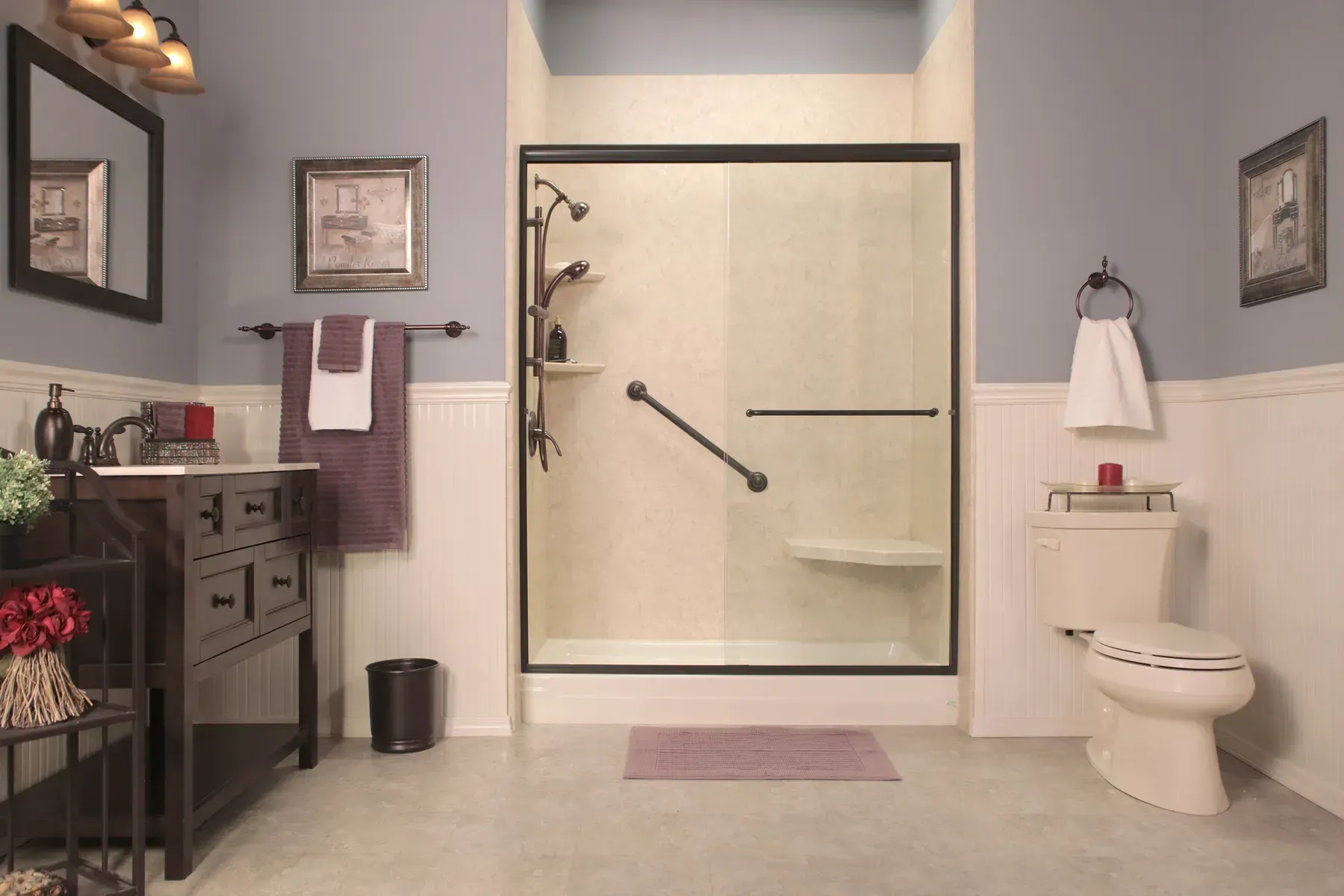
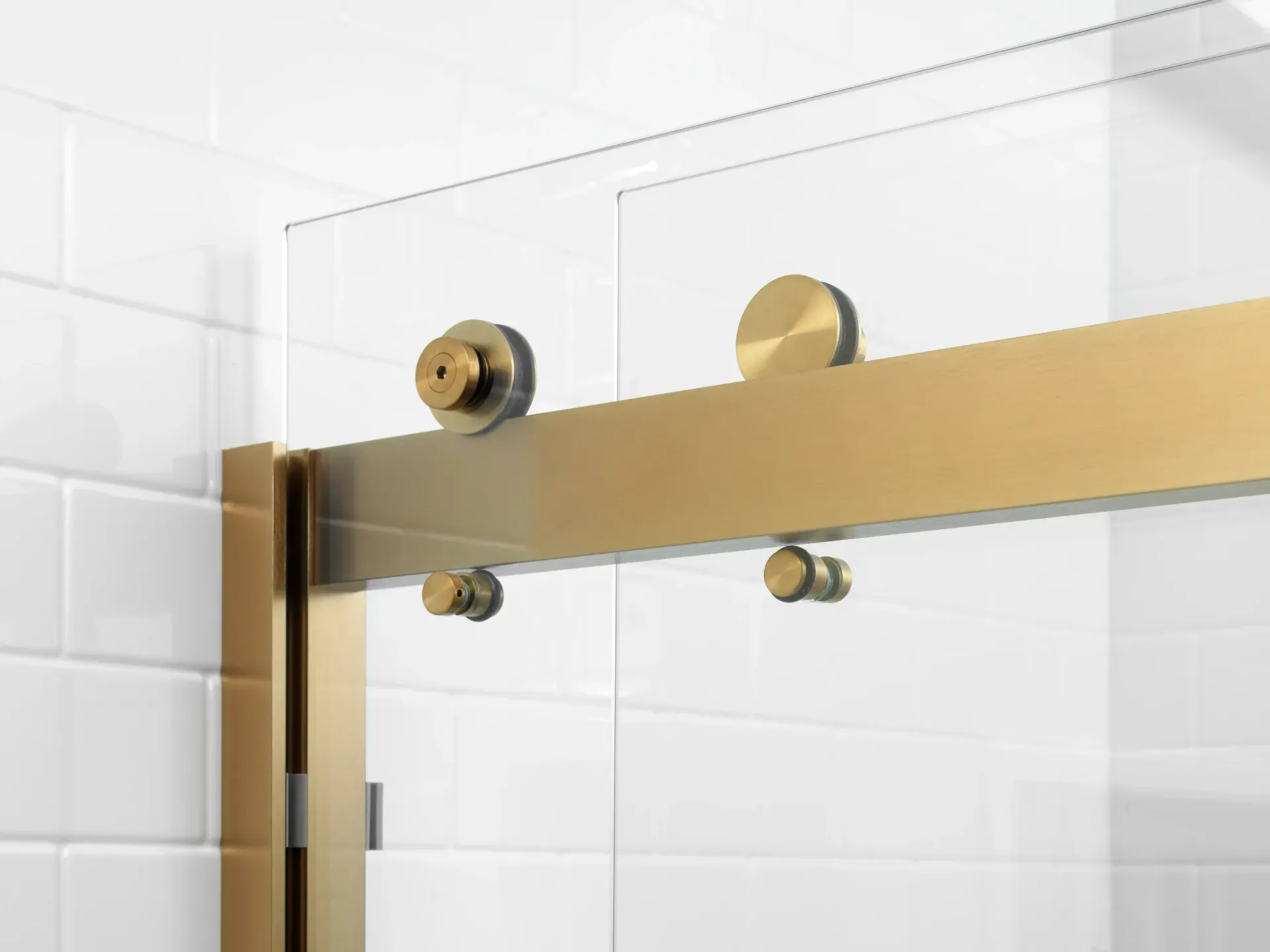
Fixtures, shelving, grab bars, seating, and enclosure hardware can also be selected in coordinating finishes. This allows you to create a shower that feels appropriate for an older Rockland home, a coastal property, or a more modern bathroom.
The goal is to gain easier maintenance without giving up the appearance you want.
Ventilation Still Matters
Acrylic walls can reduce the amount of porous material inside the shower, but they won’t correct an underlying ventilation or moisture problem by themselves.
Bathrooms need a properly functioning exhaust fan that moves humid air outside the home. The fan should be used during bathing and allowed to continue running afterward. Shower doors or curtains should also be left open when practical so the bathing area can dry.
Other helpful habits include:
- Repairing plumbing leaks promptly
- Removing standing water after bathing
- Keeping the exhaust fan and vent clean
- Washing shower curtains and liners regularly
- Following the manufacturer’s cleaning instructions
- Replacing worn caulk or seals when necessary
If mold or moisture is appearing on ceilings, walls, flooring, or areas outside the shower, the issue may require more than new shower walls. A qualified professional may need to evaluate ventilation, plumbing, or concealed water damage.
When Is It Time to Replace the Shower?
Acrylic shower walls may be worth considering when the current bathing area has become difficult to maintain or shows signs of deterioration.
Replacement may make sense when:
- Grout repeatedly stains or cracks
- Tiles are loose or damaged
- Caulk continues separating
- The shower has an outdated appearance
- Cleaning takes more time than it should
- Shelving and storage no longer work well
- The shower base or walls are damaged
- You want to add accessibility features
Before installing a new system, the existing shower should be evaluated carefully. New panels shouldn’t simply cover active leaks, unstable walls, or damaged materials.
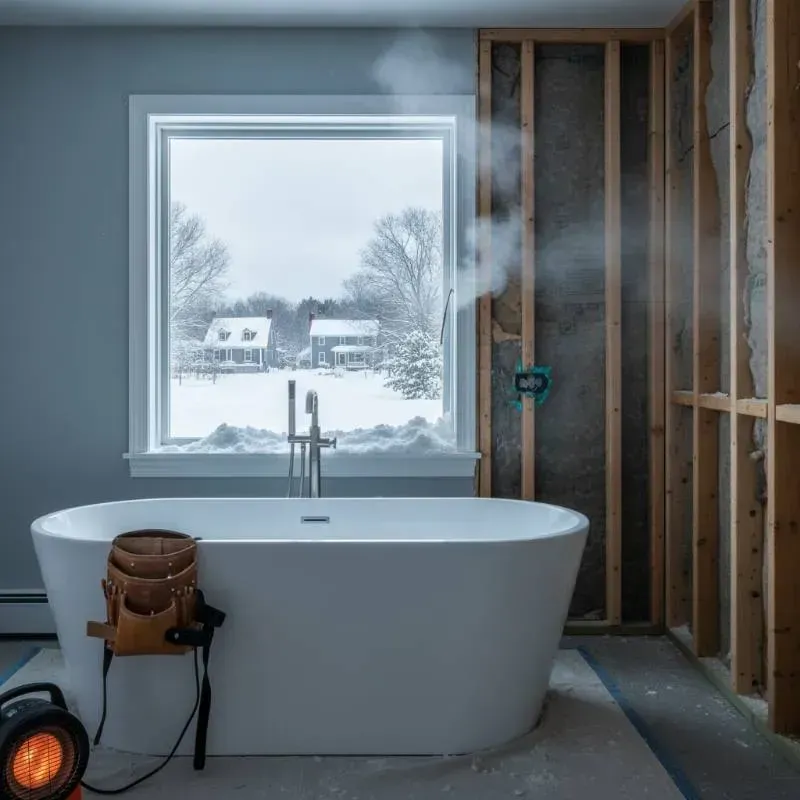
If moisture damage is discovered after removal begins, it should be addressed before the new shower is installed.
Consider a Tub-to-Shower Conversion
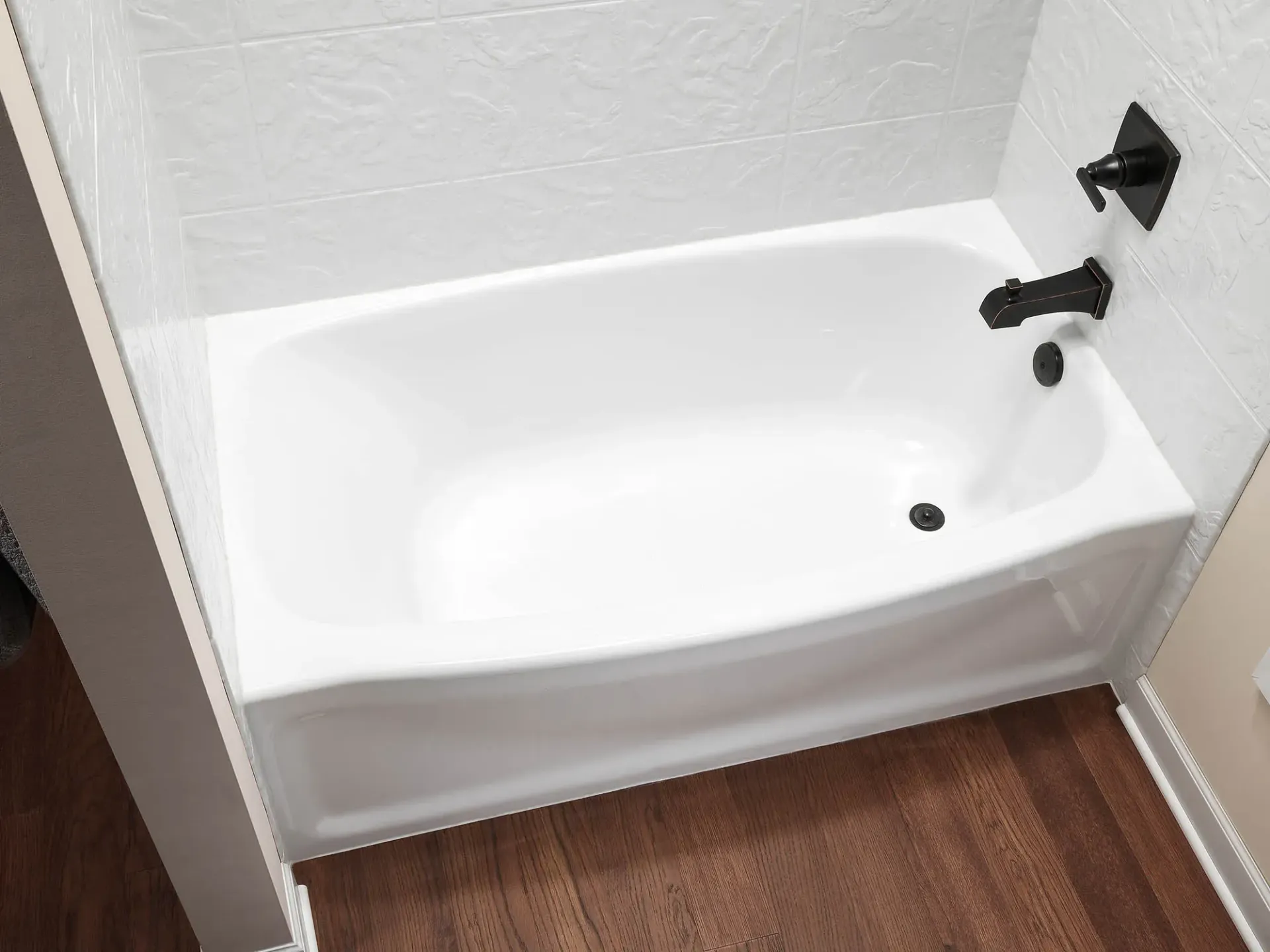
Some Rockland bathrooms have an older bathtub surrounded by tile and grout. If the tub is rarely used, a tub-to-shower conversion may solve several problems at once.
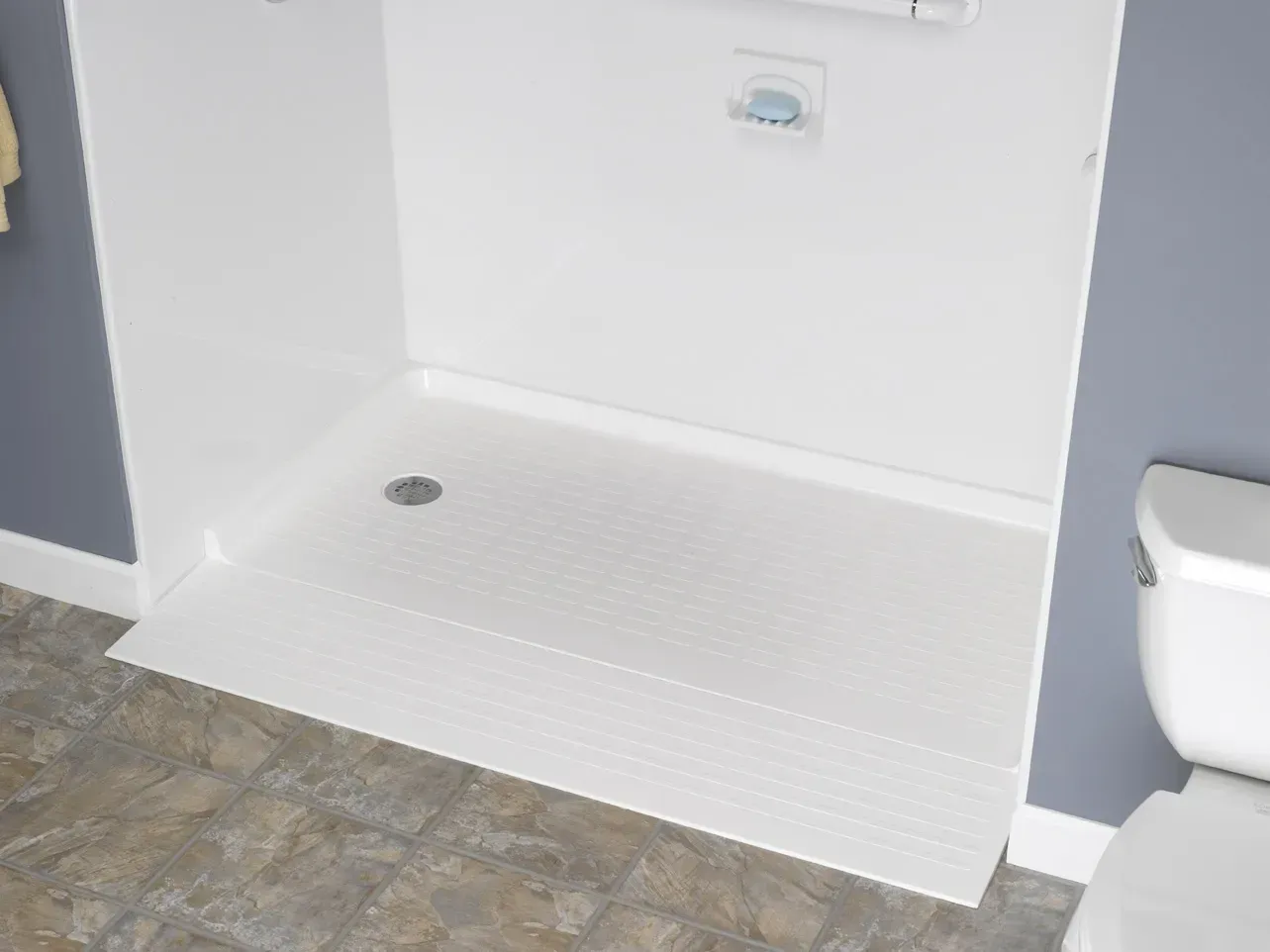
The existing bathtub can be removed and replaced with a lower-entry shower using approximately the same footprint. The new system may include acrylic walls, a slip-resistant base, built-in shelving, seating, grab bars, a handheld showerhead, and an updated enclosure.
Removing the high tub wall can also make the bathing area easier to enter and help a compact bathroom feel more open.
Before removing the only bathtub in the home, think about whether one may still be useful for children, guests, or future household needs. We’ll help you compare replacement and conversion options during your consultation.
Acrylic Shower Walls and Accessibility
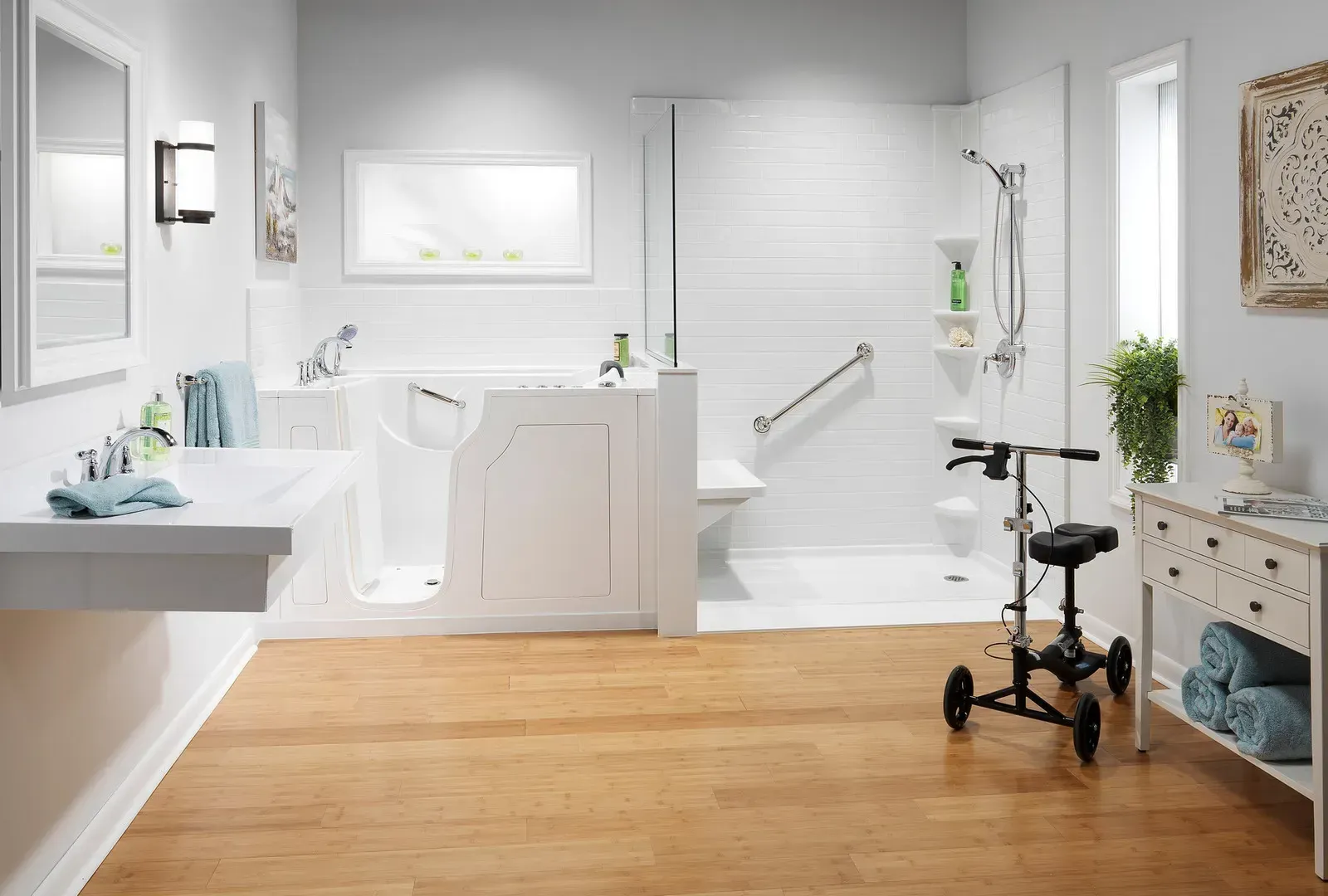
Acrylic systems can also work well in accessible bathroom designs. Because the wall panels and accessories are selected together, features such as grab bars, seating, shelving, and handheld showerheads can be incorporated into a coordinated design.
A safer shower may include:
- A low-threshold entrance
- Slip-resistant flooring
- Securely installed grab bars
- Built-in or fold-down seating
- Controls placed within easier reach
- Storage that doesn’t require excessive bending
These features can make everyday bathing more comfortable without making the room feel clinical.
Can an Acrylic Shower Be Installed in One Day?
Some qualifying shower replacements and tub-to-shower conversions may be completed in as little as one day. Measurements, materials, and design choices are finalized in advance, which helps the installation move efficiently.
Not every project qualifies for one-day installation. Additional time may be required if the bathroom has hidden water damage, plumbing changes, structural repairs, nonstandard dimensions, or a larger renovation scope.
We’ll inspect the existing bathing area and explain the anticipated project timeline before work begins.
Plan an Acrylic Shower Update in Rockland
If you’re tired of scrubbing stained grout or dealing with a shower that never feels fully clean, acrylic walls may provide a more manageable alternative. They offer a smooth, low-maintenance surface while still giving you choices in color, pattern, storage, fixtures, and accessibility.
Coastal Bath Remodel helps Rockland homeowners plan acrylic shower installations, shower replacements, tub-to-shower conversions, accessible bathing upgrades, and qualifying one-day bath projects.
Call 207-618-8442 or request a free quote today to explore options for a cleaner, easier-to-maintain Rockland bathroom.