Winter Bathroom Safety: Why Portland Seniors Consider Walk-In Bathtubs
Portland winters bring icy walkways, snow-covered steps, and colder temperatures, but outdoor hazards aren’t the only safety concerns older homeowners face. The bathroom can also become more difficult to navigate when balance, strength, or mobility changes.
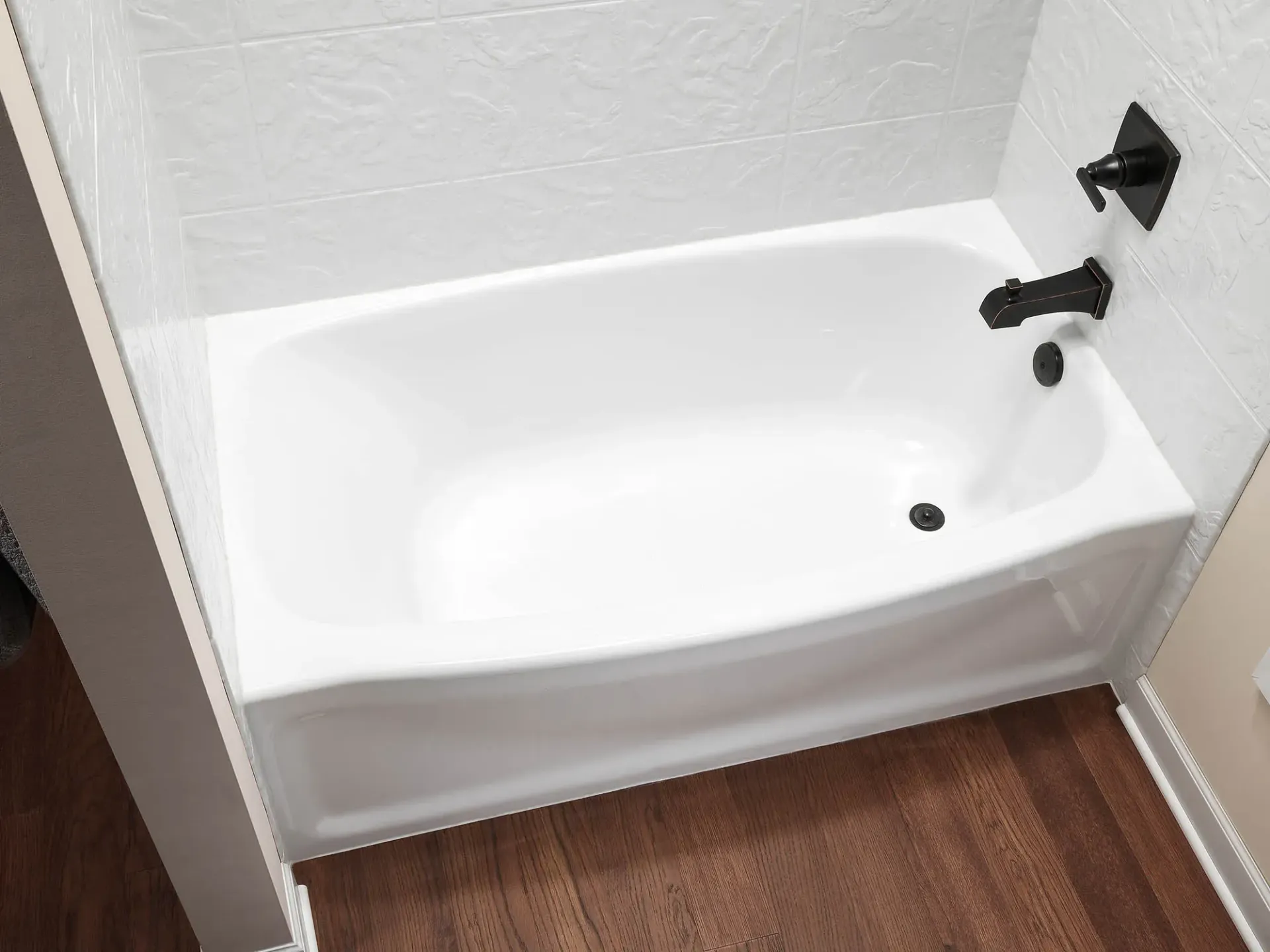
Traditional bathtubs require users to step over a high wall, shift their weight on a wet surface, and lower themselves into the tub. For some homeowners, those movements become uncomfortable or unsafe over time. A walk-in bathtub can provide a lower entry, built-in seating, and added support for people who want to continue enjoying a seated bath.
Coastal Bath Remodel helps Portland homeowners compare walk-in tubs, accessible showers, and other bathroom improvements based on their space, preferences, and long-term needs.
Why Bathroom Safety Deserves Attention
Bathrooms combine water, smooth surfaces, limited room, and frequent movement. Stepping into a tub, turning around in a shower, or reaching for a towel can become more challenging when someone has reduced balance or flexibility.
Winter may add another layer of difficulty. Cold muscles and stiff joints can make movement less comfortable, while wet floors may be especially concerning for someone already worried about slipping.
Common bathroom obstacles include:
- High bathtub walls
- Slippery tub or shower floors
- A lack of secure handholds
- Fixtures that are difficult to reach
- Limited space for comfortable movement
- Towel bars being used for support
- Standing for long periods while bathing
A bathroom remodel can address these concerns before an urgent need develops.
How a Walk-In Bathtub Works
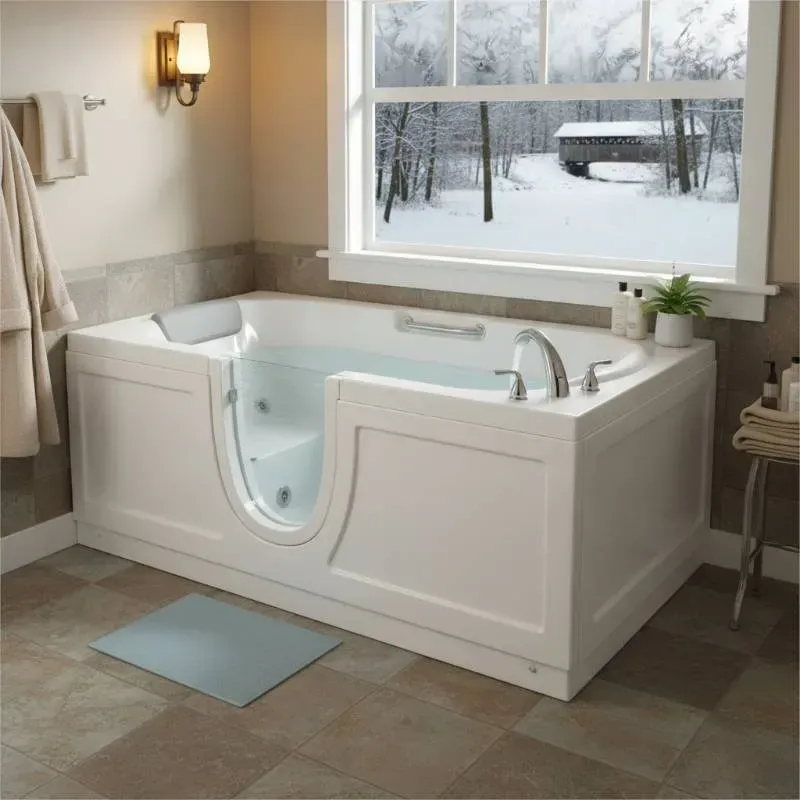
A walk-in tub includes a watertight door that allows the user to enter through a lower opening rather than climbing over the full side of a traditional bathtub.
Once inside, the user closes the door, sits on the built-in seat, and fills the tub. The water must drain before the door can be reopened.
Depending on the selected model, features may include:
- A low-entry door
- Built-in seating with back support
- Slip-resistant surfaces
- Secure grab bars
- A handheld showerhead
- Controls positioned within easier reach
- Optional air or water jets
- A deeper bathing area
We’ll explain how each model operates so you can decide whether the filling and draining process fits your routine.
Greater Support During Seated Bathing
A walk-in bathtub can be a good option for homeowners who prefer soaking but find a standard tub difficult to enter or exit.
The built-in seat allows the user to remain upright rather than lowering themselves to the bottom of the tub. Grab bars and textured surfaces can provide additional support while entering, sitting, standing, and exiting.
The handheld showerhead can also make it easier to bathe while seated. Controls should be placed where the user can operate them comfortably without excessive reaching.
These features don’t remove every risk, but they can create a bathing area that feels more manageable and supportive.
Warmth and Comfort During Portland Winters
A deep seated bath can provide a comfortable place to relax during Maine’s colder months. Some walk-in tubs also offer air or water jets that create a gentle massage-like sensation.
These features are intended for comfort and relaxation. They shouldn’t be described as treating arthritis, circulation problems, chronic pain, or other medical conditions. Anyone with health concerns should speak with an appropriate medical professional before using heated or jetted bathing features.
The home’s water-heater capacity should also be reviewed. Walk-in tubs may use more hot water than a standard bathtub, depending on their size and fill depth.
Walk-In Tub or Accessible Shower?
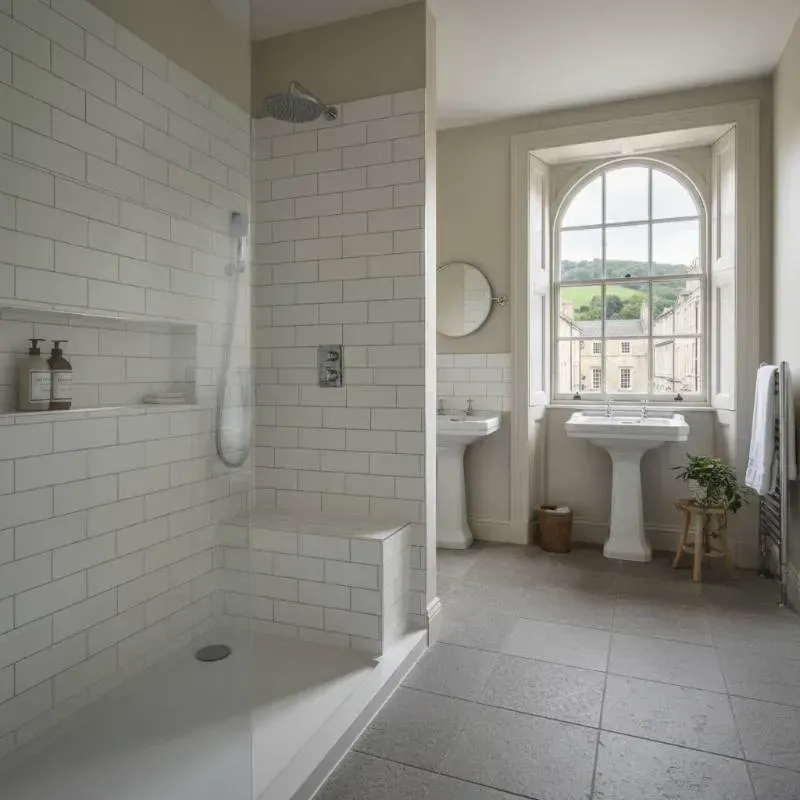
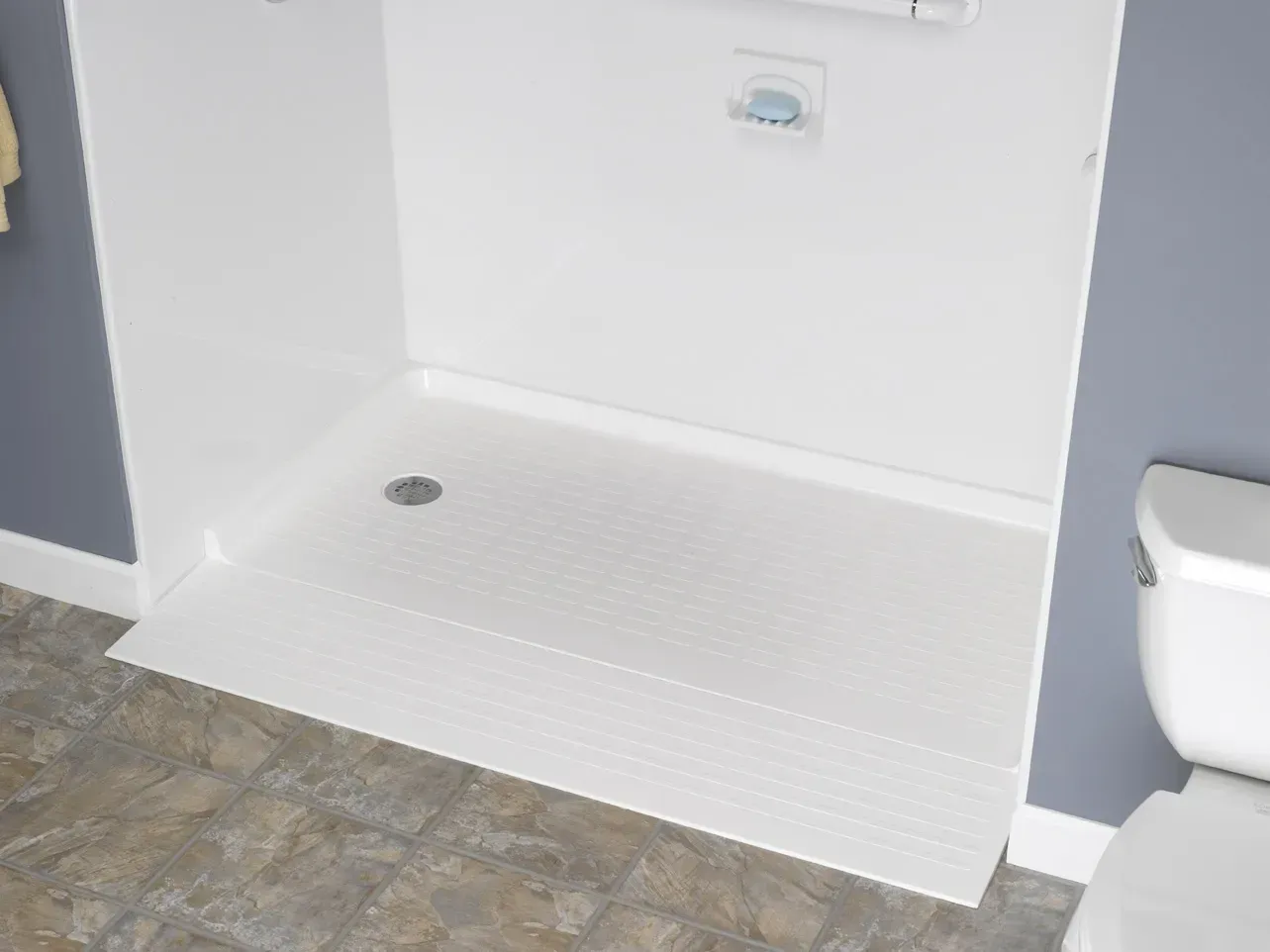
A walk-in bathtub isn’t the best choice for every homeowner. Some people prefer showering and may benefit more from a low-threshold or barrier-free shower.
A walk-in tub may be a good fit when:
- The user enjoys soaking
- Seated bathing is preferred
- A lower tub entry is important
- Built-in support features are helpful
- The user is comfortable remaining inside while the tub fills and drains
An accessible shower may work better when:
- The user prefers a quicker bathing routine
- More standing or transfer space is needed
- Faster entry and exit are priorities
- A lower threshold would improve access
- The household wants a more open layout
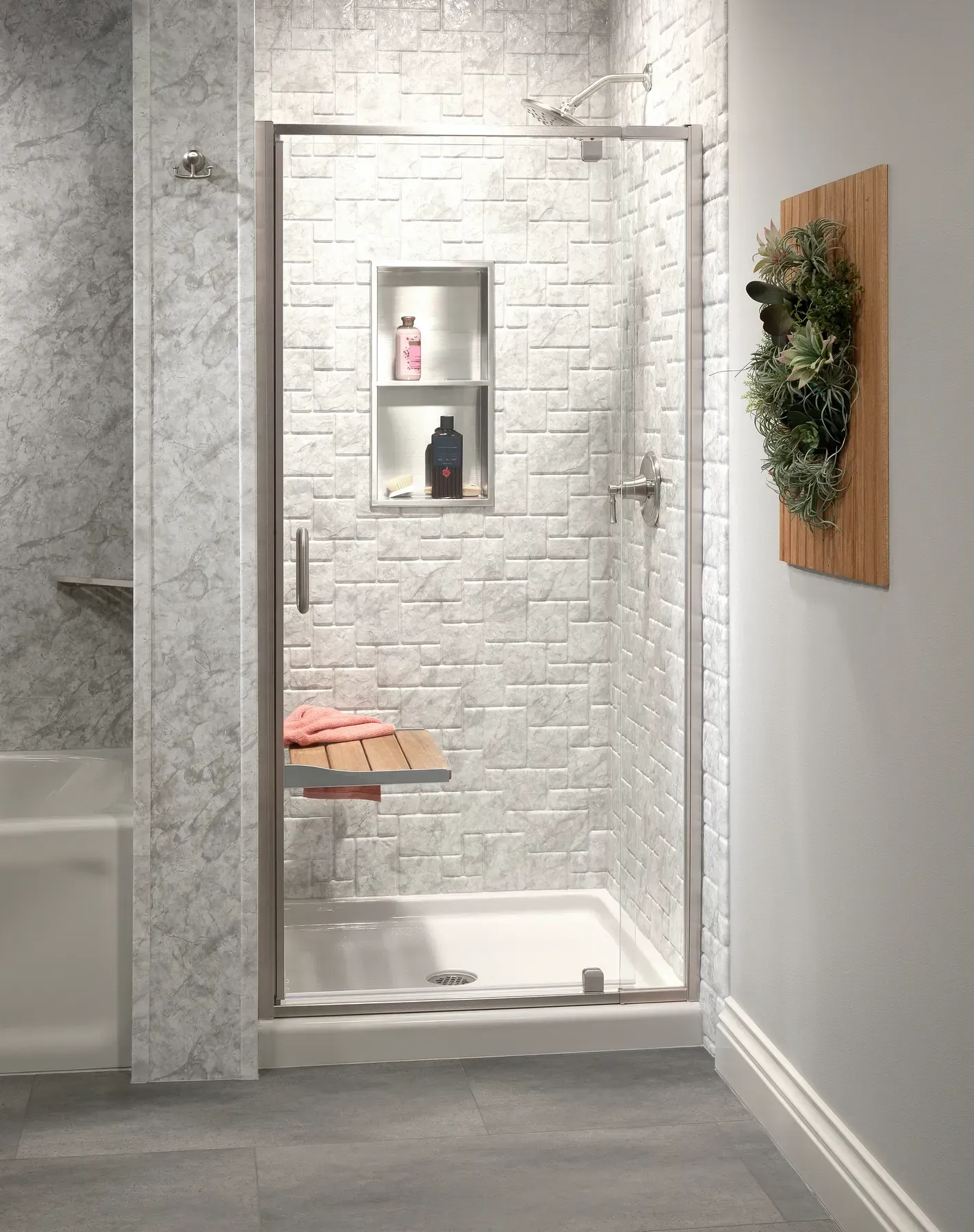
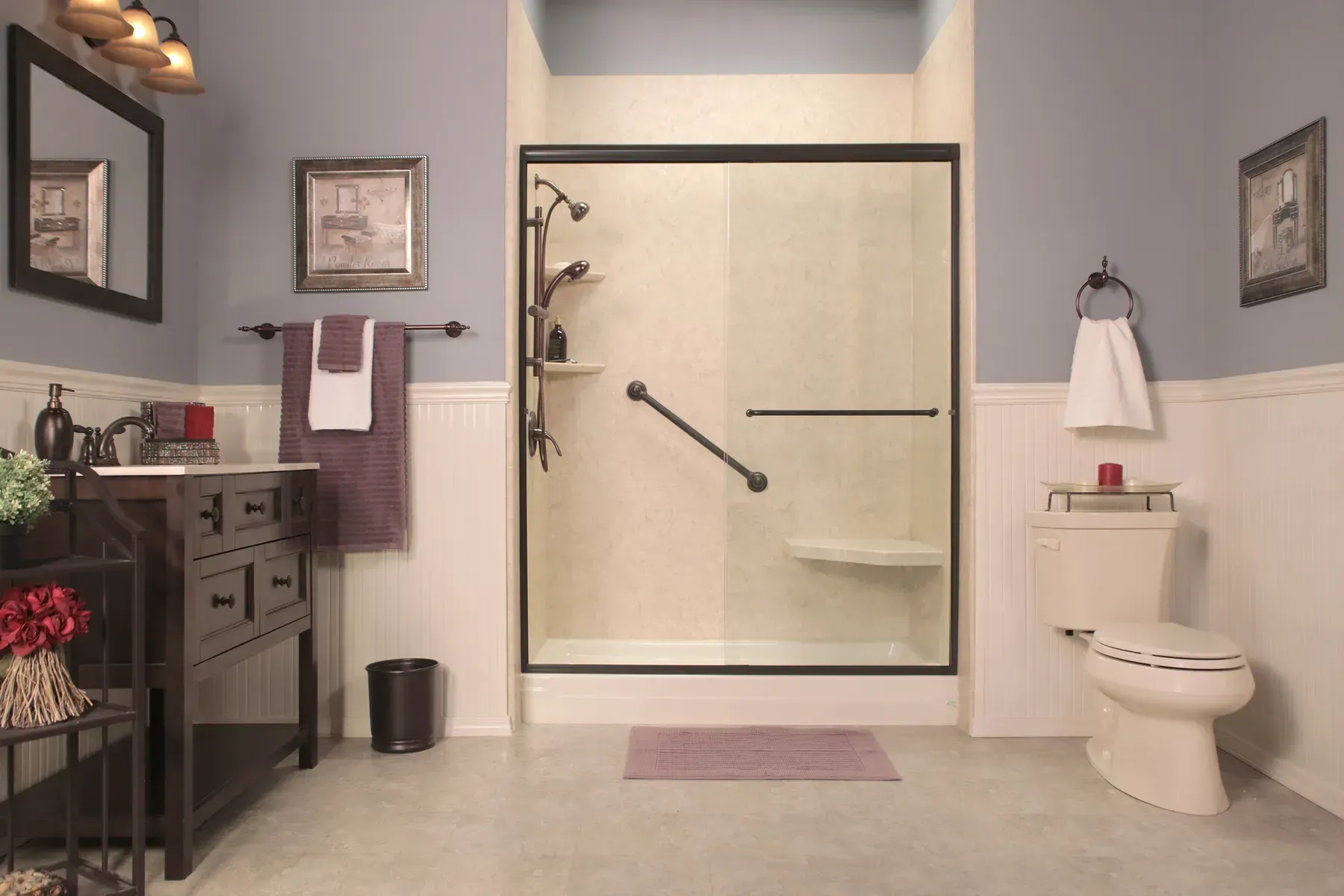
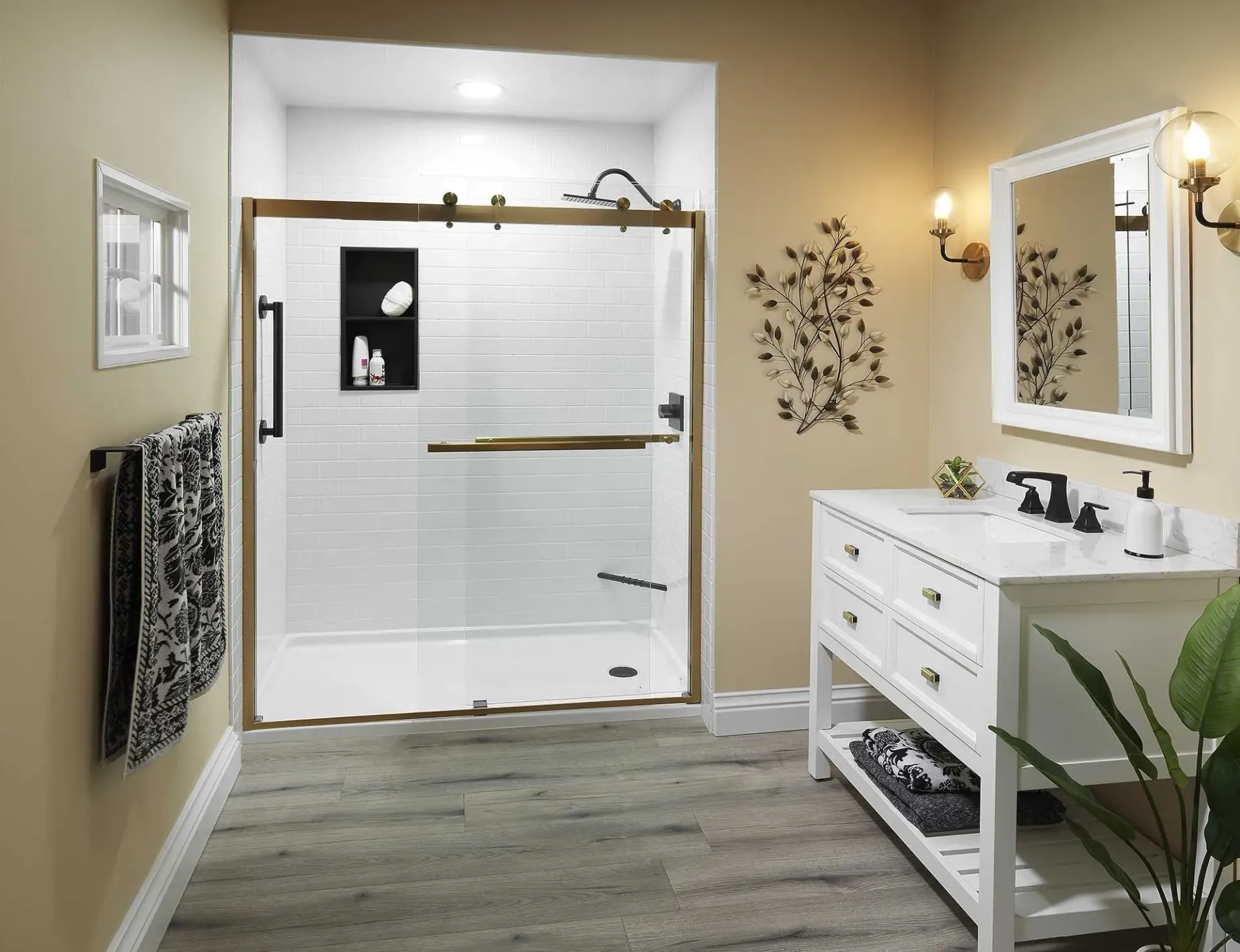
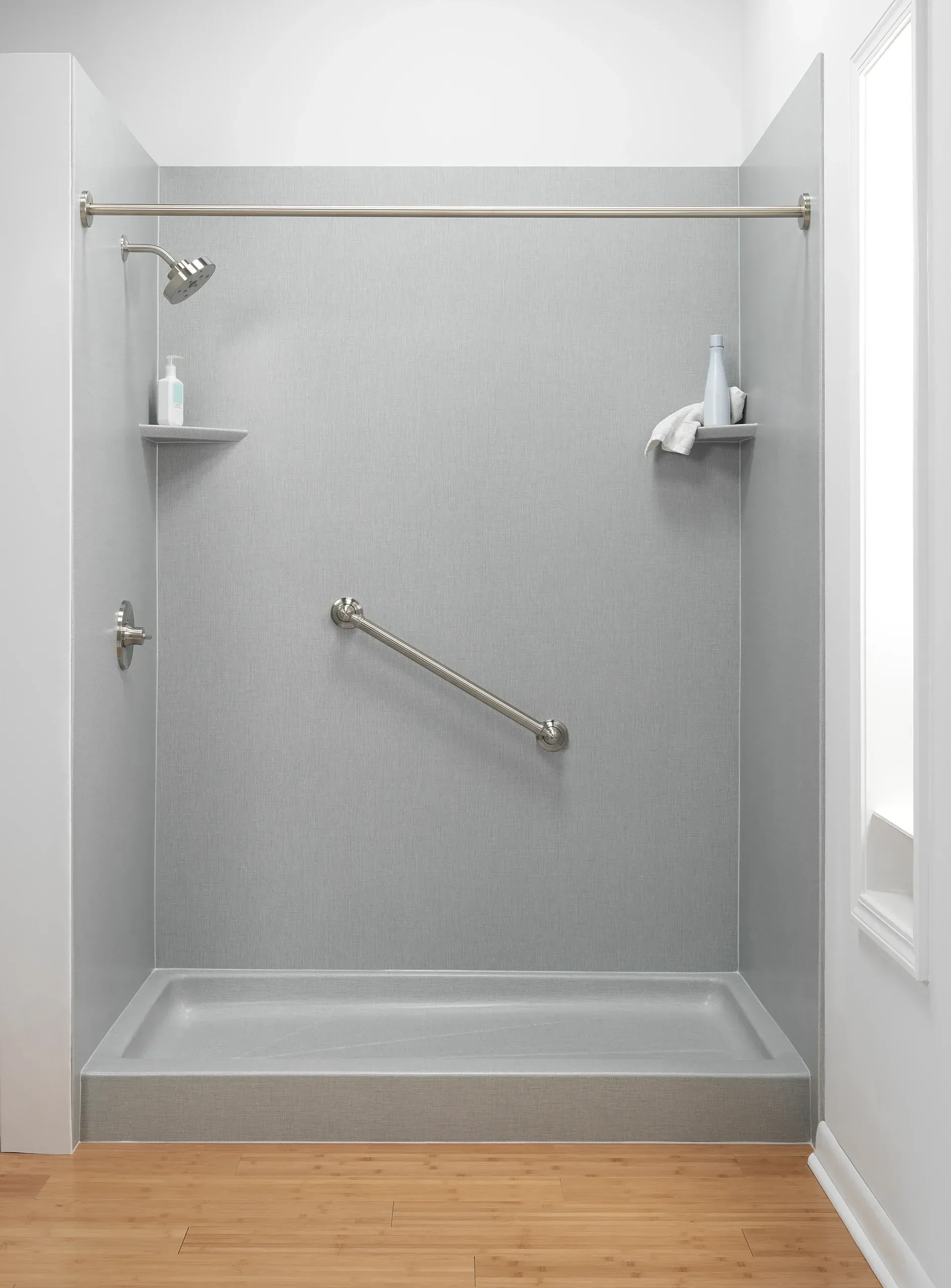
Accessible showers can include seating, grab bars, slip-resistant bases, handheld showerheads, and controls placed within easier reach. We’ll help you compare the practical differences rather than recommending the same product to every homeowner.
Professional Walk-In Tub Installation
Installing a walk-in bathtub requires careful planning. The tub must fit the room, pass through the available doorways, connect properly to plumbing, and receive adequate structural support.
Before recommending a model, our team evaluates:
- Bathroom dimensions
- Doorway and hallway access
- Existing plumbing and drainage
- Electrical requirements for certain features
- Water-heater capacity
- Floor and wall condition
- The needs of the person using the tub
The existing bathtub is removed as needed, the area is prepared, and the new system is installed with attention to stability, water protection, door operation, and fixture placement.
Once the installation is complete, we’ll review the controls and features with you so you understand how to use and maintain the tub.
Can a Walk-In Tub Be Installed in One Day?
Some qualifying bath and shower projects may be completed in as little as one day. A walk-in tub installation, however, may require additional time depending on the selected model and the condition of the existing bathroom.
Plumbing adjustments, electrical work, doorway access, structural repairs, or concealed moisture damage can affect the project schedule.
We’ll inspect the bathroom first and provide a realistic anticipated timeline. The goal is to minimize disruption without rushing the preparation and installation needed for dependable performance.
Other Ways to Improve Bathroom Safety
A walk-in tub is only one possible accessibility improvement. Depending on your needs and preferred bathing routine, other options may include:
- A tub-to-shower conversion
- A low-threshold shower
- Properly secured grab bars
- Built-in or fold-down seating
- Slip-resistant surfaces
- A handheld showerhead
- Storage positioned within easier reach
- Better lighting throughout the room
These features can be incorporated into a coordinated design that doesn’t make the bathroom feel institutional.
Plan a Safer Portland Bathroom
You don’t have to wait until a high bathtub wall becomes impossible to manage. Planning ahead can help create a bathroom that feels safer, more comfortable, and better suited to long-term use.
Coastal Bath Remodel helps Portland homeowners explore walk-in bathtubs, accessible showers, tub-to-shower conversions, grab bars, seating, and other aging-in-place bathroom improvements.
Call 207-618-8442 or request a free quote today to begin planning a safer bathroom for your Portland home.