Walk-In Tubs for Comfort and Safer Bathing in Mid-Coast Maine
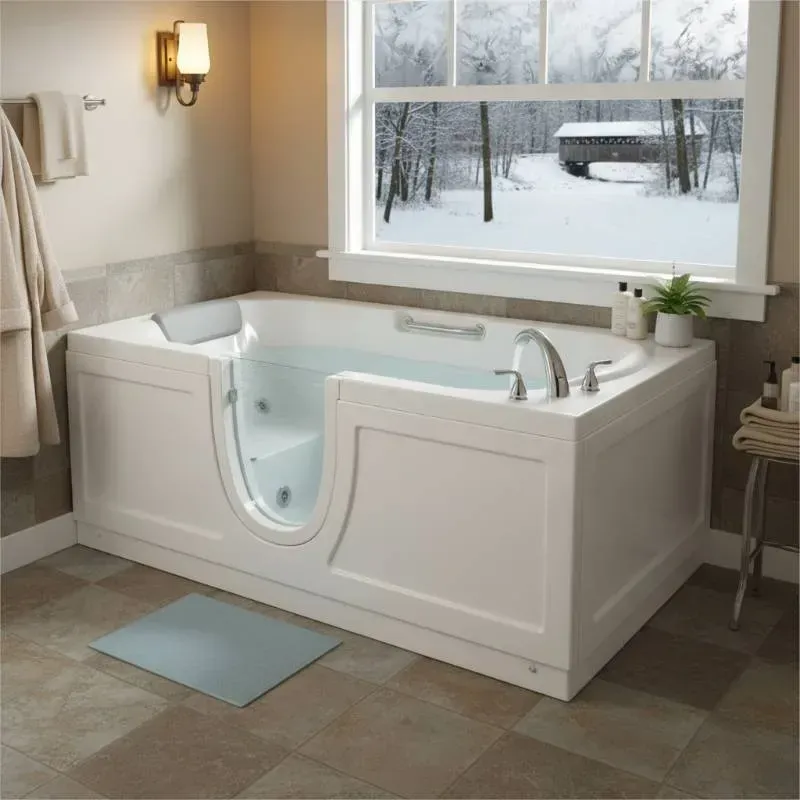
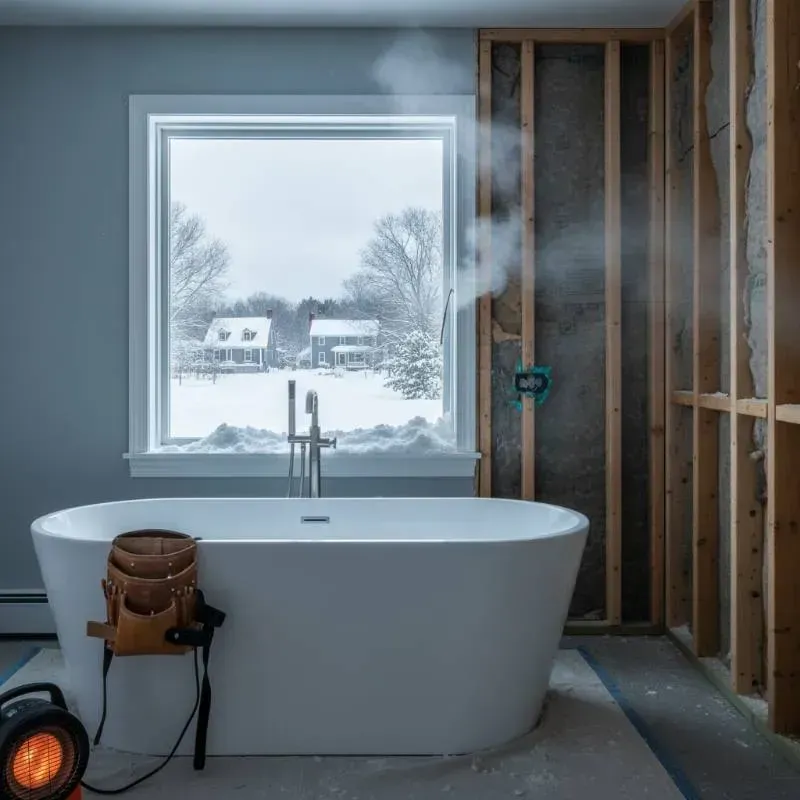
Cold Maine weather can make a warm bath feel especially inviting. For homeowners in Mid-Coast Maine, a walk-in bathtub can provide that comfort while also making the bathing area easier to enter and more supportive to use.
Traditional bathtubs require the user to step over a high wall, which can become challenging as balance, strength, or mobility changes. A walk-in tub replaces that high step with a watertight door and lower entry point, allowing homeowners to continue enjoying a seated bath with added safety features.
What Makes a Walk-In Tub Easier to Use?
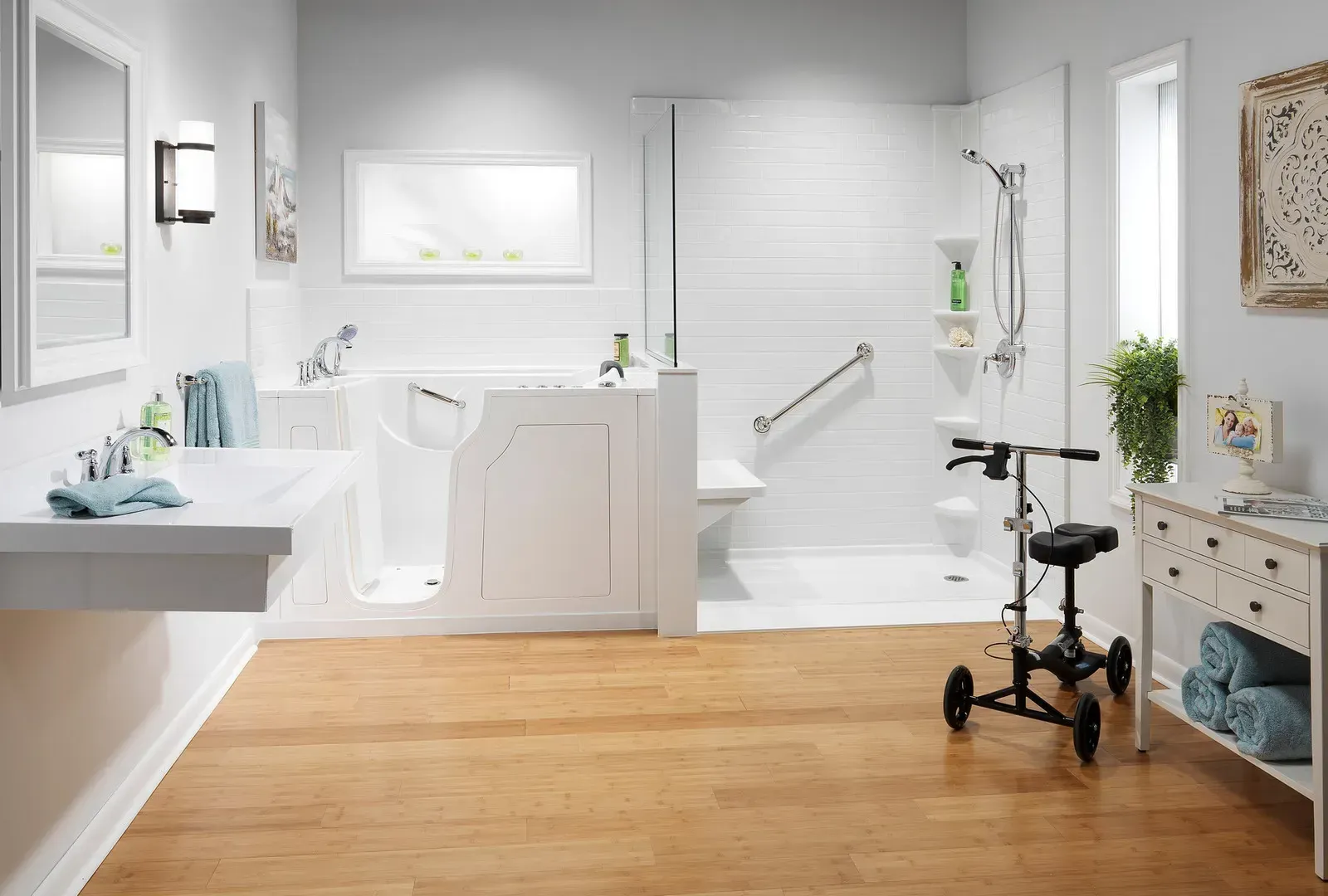
A walk-in bathtub is designed around seated bathing and more comfortable entry. Instead of climbing over the side of a standard tub, the user opens the door, steps across a lower threshold, sits down, and closes the door before filling the tub.
Available features may include:
- Built-in seating with back support
- Slip-resistant flooring and surfaces
- Secure grab bars
- A handheld showerhead
- Controls positioned within easier reach
- Optional water or air jets
- A deeper bathing area than many standard tubs
The exact features vary by model. We’ll help you compare options based on the person using the bathroom, the available space, and the type of bathing experience you prefer.
Relaxing at Home During Maine’s Colder Months
A walk-in tub can create a comfortable place to slow down and unwind without leaving home. The deeper bathing area allows more of the body to remain surrounded by warm water than a shallow standard tub may provide.
Some models also include air or water jets that create a gentle massage-like sensation. These features are intended for comfort and relaxation, but they should not be viewed as a substitute for medical care or treatment. Anyone with a health condition should speak with an appropriate medical professional before using heated or jetted bathing features.
For many homeowners, the primary appeal is simple: a more comfortable place to sit, soak, and relax during a long Maine winter.
Supporting Aging in Place
Walk-in bathtubs are often included in aging-in-place bathroom remodeling. They can help homeowners prepare the bathroom for changing needs while preserving the option to take a seated bath.
The lower entry reduces the need to climb over a high tub wall. Built-in seating, grab bars, slip-resistant surfaces, and a handheld showerhead can provide additional support throughout the bathing process.
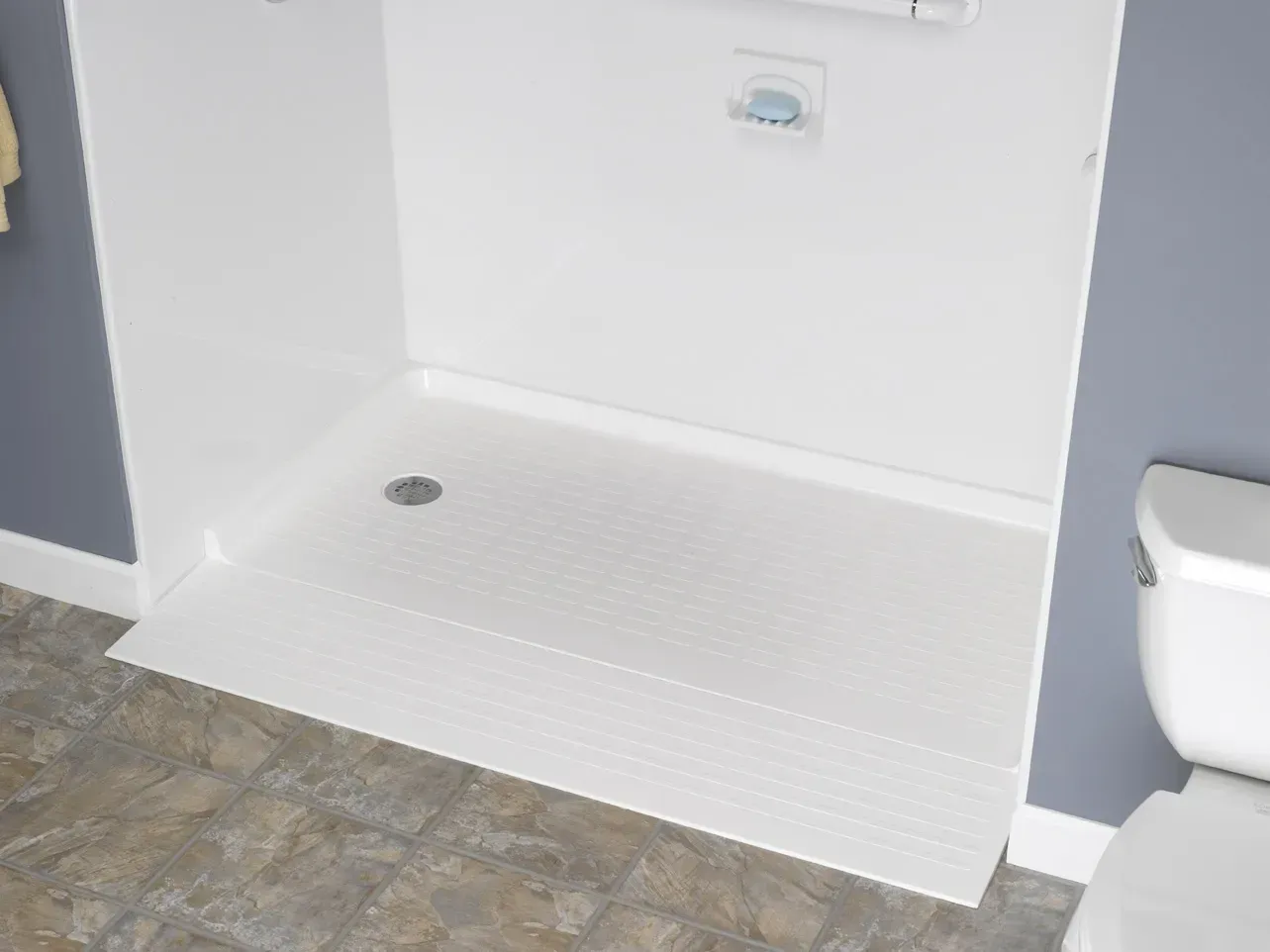
A walk-in tub may be appropriate for someone who still enjoys soaking and is comfortable remaining inside while the tub fills and drains. Homeowners who prefer a quicker bathing routine or need more open floor space may find that a low-threshold shower is a better fit.
We’ll explain the practical differences between walk-in tubs and accessible showers so you can make a decision based on everyday use rather than appearance alone.
Important Factors to Consider Before Installation
A walk-in tub is larger and more complex than a standard bathtub, so the existing bathroom needs to be evaluated carefully.
Important considerations may include:
- The dimensions of the current bathing area
- Doorway and hallway access
- Plumbing and drainage locations
- Available electrical service for certain features
- Water-heater capacity
- The time required to fill and drain the tub
- The direction in which the tub door opens
- The mobility and comfort of the person using it
A deeper tub may require more hot water than the existing bathtub. We’ll help identify the requirements of the selected model and explain any changes that may be needed before installation.
Professional Walk-In Tub Installation
Proper installation is essential for dependable operation. The tub must be supported securely, connected correctly, and fitted carefully within the available space.
Coastal Bath Remodel begins by evaluating the existing bathroom and confirming which models can fit. We remove the old tub as needed, prepare the installation area, complete necessary plumbing or related connections, and position the new system with attention to stability and water protection.
Once installation is complete, we’ll review the door, controls, handheld showerhead, jets, and other features with you. You should understand how to fill, use, drain, and maintain the tub before the project is considered finished.
Walk-In Tub or Accessible Shower?
Both options can improve bathroom access, but they support different routines.
A walk-in tub may be a good choice when:
- The homeowner enjoys soaking
- Seated bathing is preferred
- Built-in support and a deeper bath are important
- The user is comfortable waiting while the tub fills and drains
An accessible shower may be more appropriate when:
- The homeowner prefers showering
- Faster entry and exit are priorities
- More standing or transfer space is needed
- A lower threshold and open layout would work better
There is no single solution that works for every household. The bathroom layout, mobility needs, water capacity, and personal preferences should all be considered.
Other Ways to Improve Bathroom Safety
A walk-in tub is only one option for creating a more comfortable bathroom. Depending on the existing space and your goals, other improvements may include:
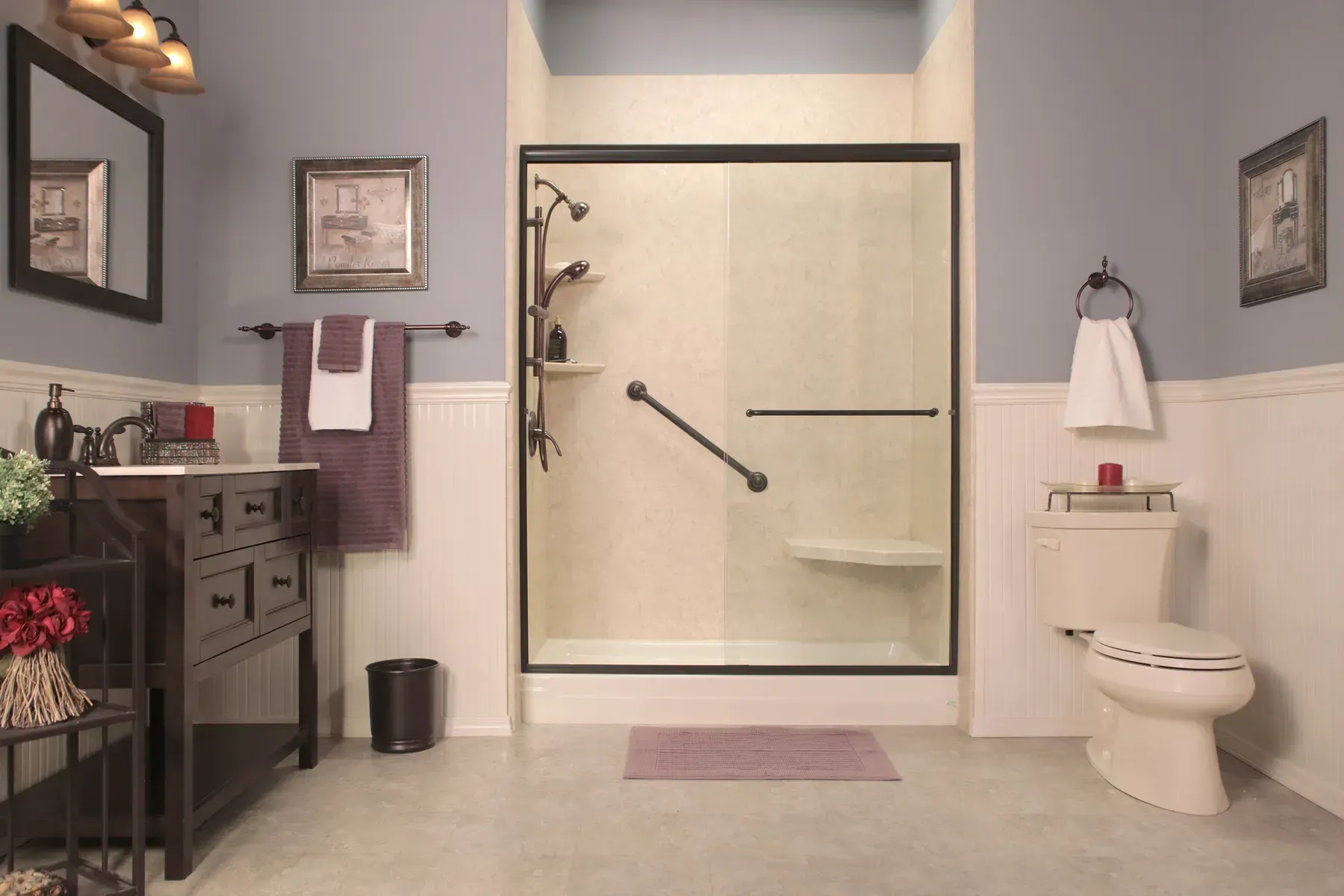
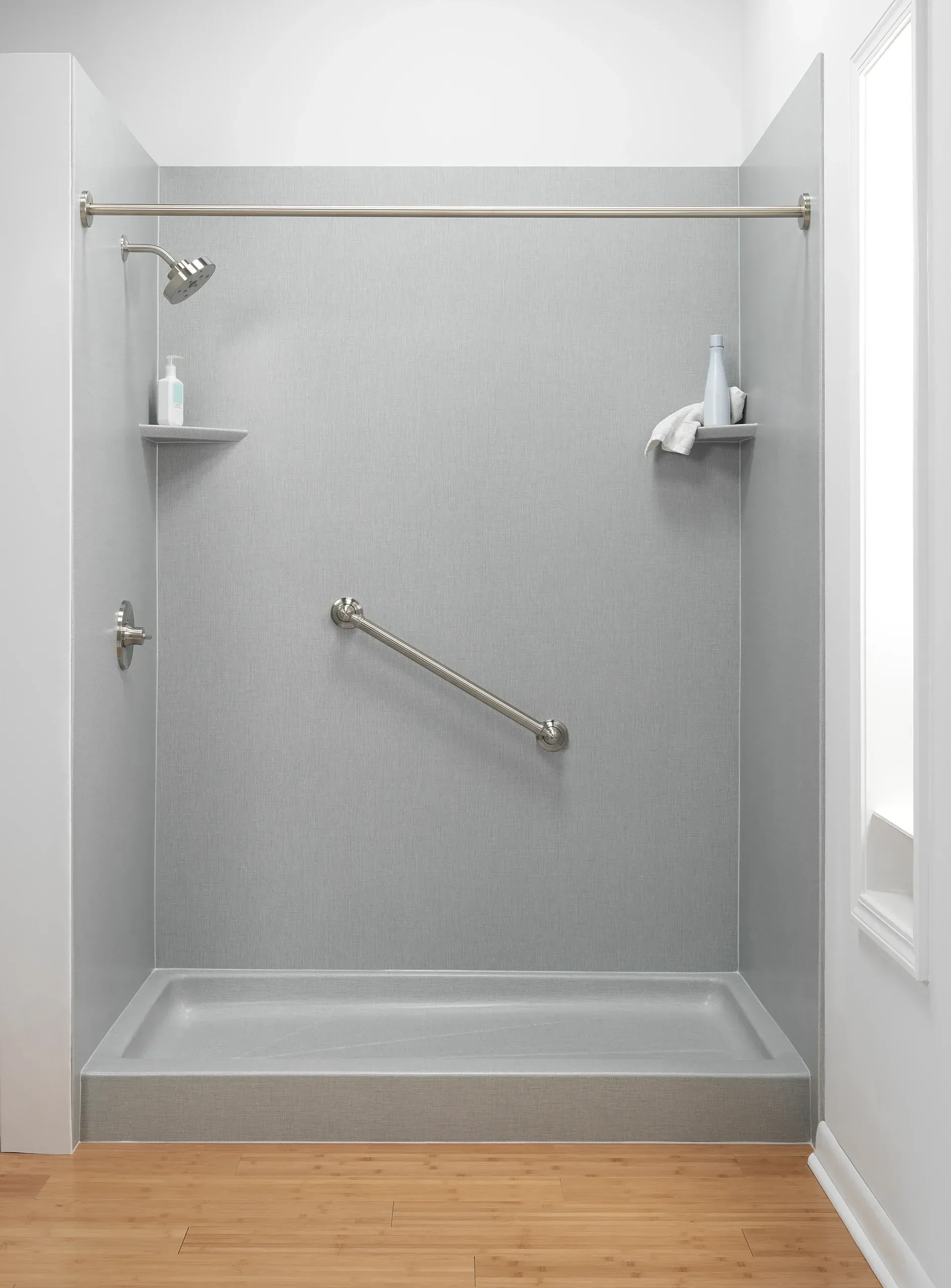
- A tub-to-shower conversion
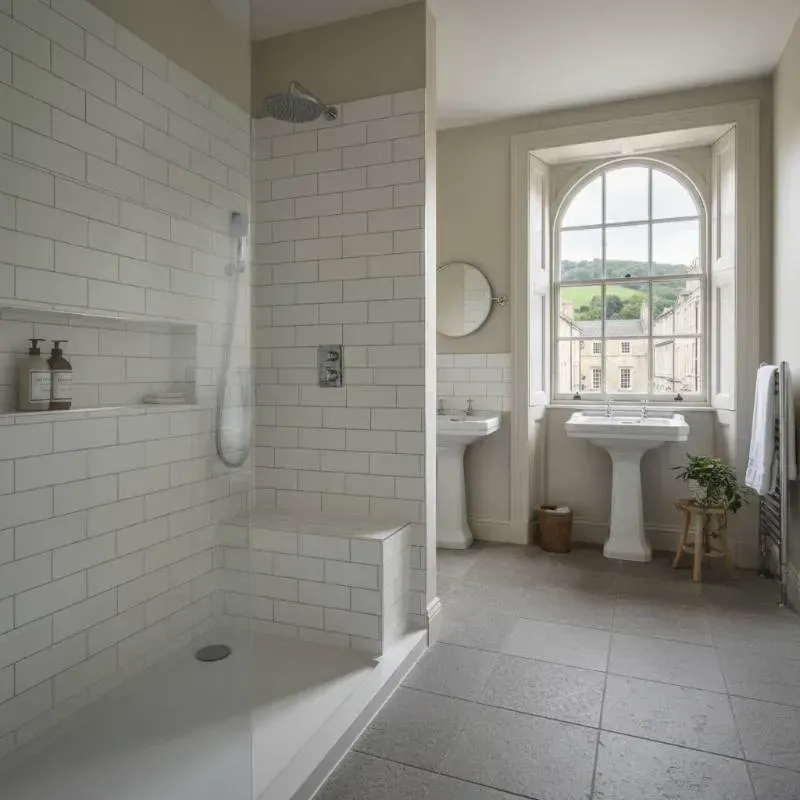
- A low-threshold shower
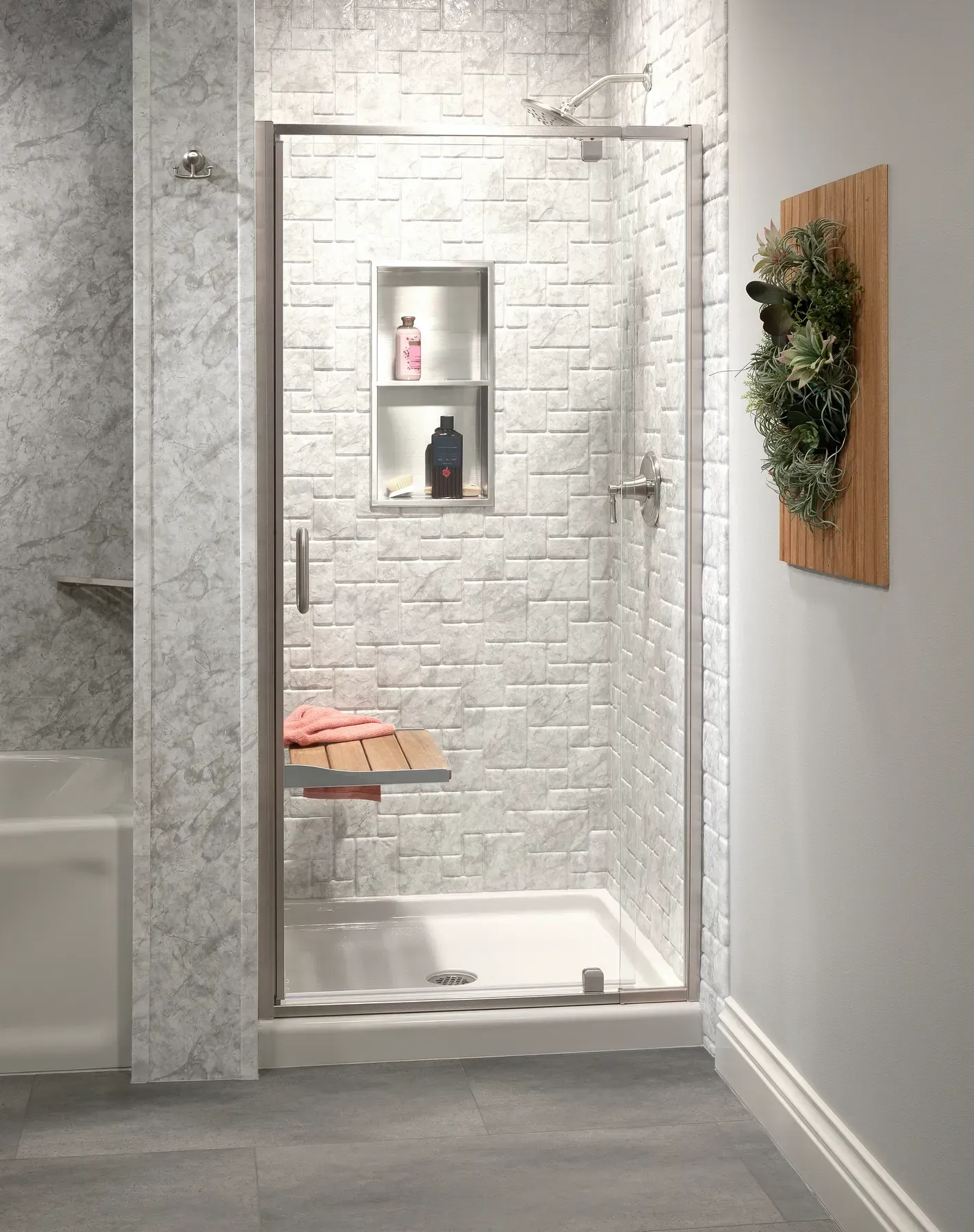
- Built-in or fold-down seating
- Properly installed grab bars
- Slip-resistant surfaces
- A handheld showerhead
- Storage placed within easier reach
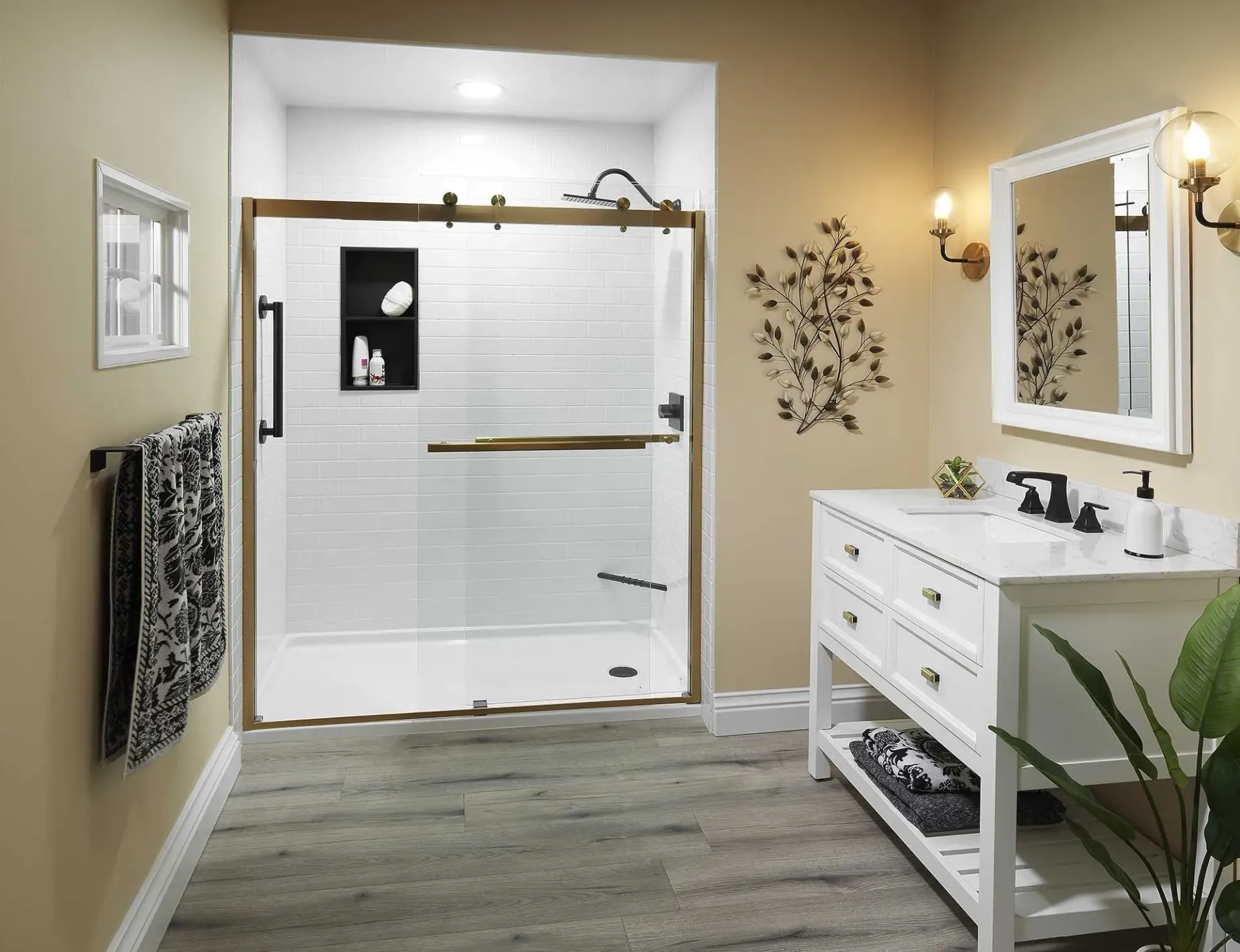
These features can often be incorporated into a modern design without making the bathroom feel institutional.
Plan Your Mid-Coast Maine Walk-In Tub Installation
A walk-in bathtub can provide a more comfortable way to enjoy seated bathing while reducing the need to step over a traditional tub wall. Coastal Bath Remodel helps homeowners throughout Mid-Coast Maine and the Greater Portland area compare walk-in tubs, accessible showers, and other bathroom improvements based on their space and priorities.
Call 207-618-8442 or request a free quote today to begin exploring walk-in bathtub options for your home.